
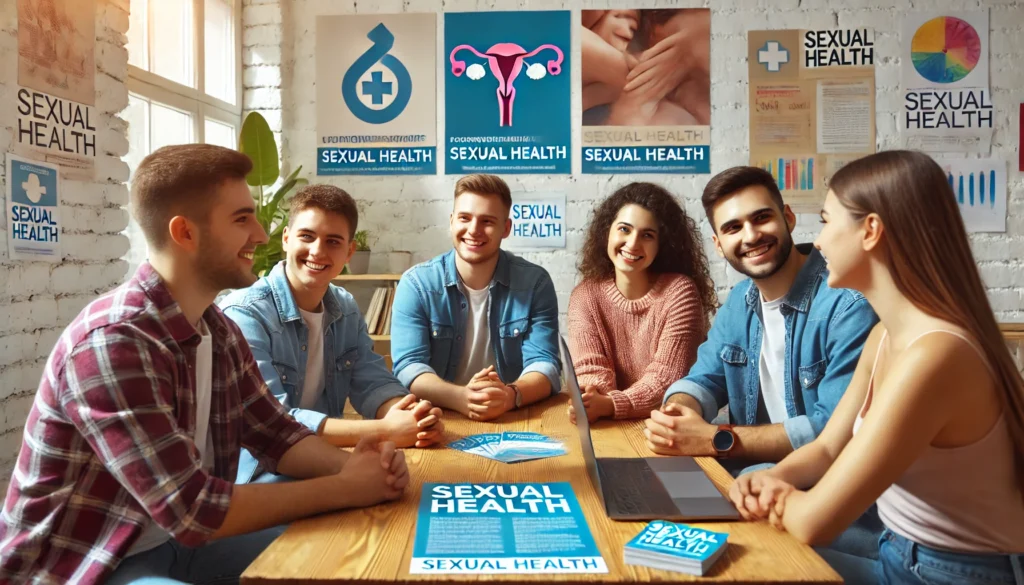
In today's world, where information is more accessible than ever, sexual health remains a topic shrouded in taboo and misinformation. Despite significant advancements in medical science and education, discussing sexual health openly is still considered uncomfortable or inappropriate by many. This blog aims to break these taboos, providing accurate information and resources to empower readers to have open, honest conversations about sexual health.
Understanding Sexual Health
Sexual health encompasses a wide range of issues, including physical, emotional, mental, and social well-being in relation to sexuality. It’s not just about the absence of disease or dysfunction but also about having respectful and positive experiences. Understanding this holistic view is the first step in breaking the silence around sexual health.
Common Taboos and Misconceptions
1. Talking About Sex is Shameful
Many cultures and communities consider discussions about sex to be shameful or inappropriate, especially in mixed company or with younger individuals. This stigma can lead to a lack of education and awareness, resulting in unhealthy practices and relationships.
2. STIs are a Sign of Promiscuity
Cultivate open and honest communication with your partner. Discuss your needs, desires, and concerns to strengthen your emotional and sexual connection.
3. Masturbation is Harmful
Myths surrounding masturbation, such as it causing physical harm or leading to mental health issues, are widespread. These misconceptions can cause unnecessary guilt and anxiety. In truth, masturbation is a normal and healthy part of sexual development.
4. Men Enjoy Sex More Than Women
This stereotype undermines women's sexual autonomy and perpetuates a narrow view of sexual pleasure. Women are equally capable of experiencing and enjoying sexual pleasure, and open conversations about female sexuality are crucial for fostering mutual respect and understanding.Providing Accurate Information
Sexual Education
Comprehensive sexual education is vital. It should cover a range of topics, including consent, contraception, STI prevention, and the physical and emotional aspects of sex. Education should begin at an appropriate age and continue into adulthood, adapting to the evolving needs and experiences of individuals.
Access to Healthcare
Access to healthcare services, including regular check-ups, STI testing, and mental health support, is essential for maintaining sexual health. Resources like Planned Parenthood, local clinics, and online services provide valuable information and support.
Safe Practices
Practicing safe sex is fundamental to preventing STIs and unplanned pregnancies. Using condoms, dental dams, and other forms of protection can significantly reduce risk. Regular communication with partners about sexual history and boundaries is also important.
Emotional and Mental Well-being
Sexual health isn't just physical; it's deeply connected to emotional and mental well-being. Open communication with partners, seeking therapy when needed, and addressing any underlying issues can contribute to a healthier and more fulfilling sexual life.Resources for Readers
1. Planned Parenthood - Offers a range of services including sexual health education, STI testing, and contraception.
2. Scarleteen - A resource for young people providing information on sex, relationships, and sexual health.
3. American Sexual Health Association (ASHA) - Provides information and support on sexual health topics.
4. Sexuality Information and Education Council of the United States (SIECUS) - Promotes comprehensive sexuality education.Encouraging Open Conversations
Encouraging open conversations about sexual health starts with creating a safe and non-judgmental environment. Here are some tips:
Normalize the Topic: Talk about sexual health as you would any other health issue. This helps to reduce the stigma and makes it easier for others to open up.
Educate yourself and others: Stay informed about sexual health and share accurate information with friends, family, and partners.
Be Respectful and Non-Judgmental: Respect others' experiences and perspectives. Avoid making assumptions or passing judgment.Conclusion
Breaking the taboos surrounding sexual health is essential for promoting a healthier, more informed society. By providing accurate information, encouraging open conversations, and offering access to resources, we can dismantle the stigma and foster a culture of respect and understanding. Let's take the first step together towards a more open dialogue about sexual health.